
As certain aspects of the new healthcare legislation take affect, local healthcare and insurance providers are considering what it could mean for St. Charles Parish.
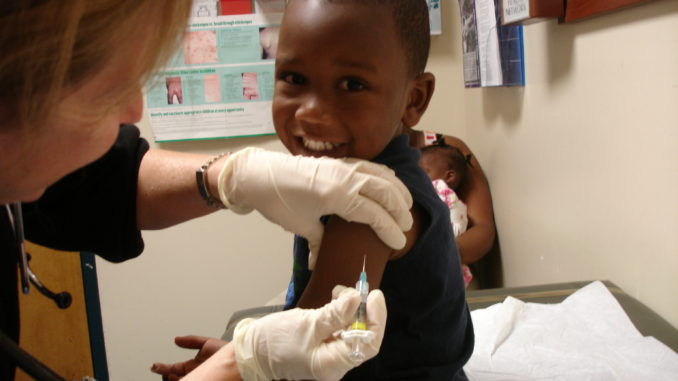
People in the healthcare profession all seem to agree that one of the biggest benefits of the new legislation will come from its concentration on primary care.
“The concentration of the new healthcare bill is on primary care…and that’s what the Community Health Center advocates,” said Julia Bodden with the St. Charles Community Health Center. “As a result, hopefully it’s going to really help all community health centers nationwide.”
Dave Millet has been in the insurance business for 53 years and says that he also hopes that the bill will give more people a chance to have primary care.
“A lot of the uninsured people in our community don’t have relationships with primary care physicians because they can’t afford it,” Millet said. “This is going to allow these people to develop a trusting relationship with providers which they haven’t had the opportunity to do.”
Fred Martinez Jr., CEO of St. Charles Parish Hospital, said that while the legislation may have a down-side for employers and business owners, he hopes that in the coming years more people will become insured and that there will be more preventative care to keep emergency room traffic to a minimum.
“As an employer and provider of healthcare coverage to our employees and their families, I believe our costs will go up in order to continue providing this same benefit to our employees,” Martinez said. “As a hospital provider, we are hopeful that more people utilizing our services in the future will have some level of coverage and will eventually reduce the amount of uncompensated care that we have to provide, in particular through the emergency department and (Emergency Medical) services.”
About 11,000 people visited the hospital’s over-crowded ER in 2008 before the decision was made to build the new emergency room. The wait time ranged anywhere from 30 minutes to an hour, prompting some injured people to leave before seeing a doctor.
Most healthcare professionals are optimistic about the changes that will soon be taking place in the industry.
“As when Medicaid and Medicare programs were started in the sixties, they fueled significant advance in the American healthcare system, I believe the same degree of advances will eventually be realized in the healthcare system in the future,” Martinez said. “None of this, however, comes without a price. I do believe that businesses and tax payers will see an increase in costs as the benefits of the new healthcare plan take effect.”
Once the legislation goes into full affect in 2016, Millet said that the fines for not having health insurance will be as high as almost $700 per person.
But Millet said that fines for lack of insurance will be phased in gradually starting in 2014 with a fine of only $95 per person.
“Whether you’re uninsured or insured, you will be affected,” Millet said.
While fines and costs may be high once legislation begins to affect both individuals and businesses, Millet said that the legislation provides for some tax credits to employers to help offset the costs of providing healthcare.
“I think (this legislation) is going to change the landscape and the way that healthcare is delivered in our community…for the better for some people, for others it may be at more cost,” Millet said.
Millet said the legislation will also lead to a greater need for doctors due to a heightened supply of patients with more needs and demands. Millet said that he isn’t sure what his role as an insurance provider will be in the coming years, but that he thinks everyone will feel at least a small benefit from the legislation.
“I’m sure, as the legislation comes and changes are put through, that they’re going to have benefits for everybody,” he said.



Be the first to comment