
Most use savings at the pump at the grocery store
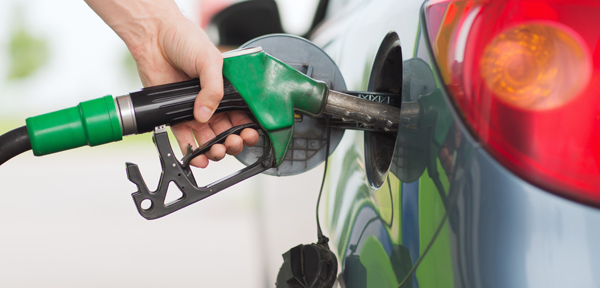
The falling price of oil has resulted in low prices at the pump—in some cases, less than half what they were only six months ago. For the average consumer, low prices mean a savings of $750 this year, according to the latest report from the federal Energy Information Association. But for many, the savings are a mixed blessing.
Rene Gelsomino, a retired worker from St. Charles Parish Hospital, said that there’s no relief for those on a fixed income, like herself.
St. Charles Parish residents have lamented the increased cost of food as robbing from the benefit of saving on gas. But one area grocer said that this runs counter to the logic.
“Theoretically, it should bring [food prices] down, but this whole world economy thing is a little more complicated than it usually seems,” said Majoria’s Supermarket co-owner Dana Majoria. “Independent grocers, that can afford to, we try to keep the prices as low as we can.”
Lower gas prices, Majoria adds, should make it cheaper for his suppliers to produce and ship the products that are put on the shelves. Beef, he notes, has been high for years. Since 2010, the price has been climbing, from an average of approximately $2 per pound to an all-time high of more than $4 per pound as of last December. Whether the lower price at the pump will lead to lower beef and other food prices remains to be seen, but many residents said they aren’t feeling the benefits yet.
“The little bit of extra savings from gas is used on the increased cost of food,” Louise Deist said.
“Yep, grocery prices are up,” added Stephanie Madere Escude.
Nationally, consumer confidence has grown and is approaching pre-recession levels. Consumer confidence is the measure of how much people are willing to invest in larger purchases, such as appliances or automobiles. Much of this growth, however, is based on a strong labor outlook. Here in Louisiana, lowering oil prices will have a greater direct impact on jobs than in the rest of the country, as oil producers reap fewer profits or scale back on operations.
So far, the numbers look promising: the latest data from Baker Hughes, an oilfield service company that keeps detailed records on rig count, showed that Louisiana had 107 operating rigs as of its latest count on Jan. 16. This, according to the same data, is more than the one-year low of 99 rigs reported as operational last April.
Dr. Steven Brown, a University of Nevada – Las Vegas economic professor who ran models that showed a loss of 30,000 jobs in Louisiana, said that the bulk of the losses will be absorbed by drilling operations.
“Refineries could take some short-term losses,” Brown said. “The longer term is that people use more petroleum and the refiners won’t be as affected, if at all.”
In the meantime, residents remain skeptical of the money promised through low gas prices.
Claire Landry, a former bus driver for the St. Charles Parish school system, said her family intends to save whatever money they gain from the low gas prices. There was no way to know, said Landry, how long the oil prices would last, but she hoped it was “forever.”
“We will enjoy it while it lasts and maybe save a little more in our vacation account,” Landry said.



Be the first to comment