
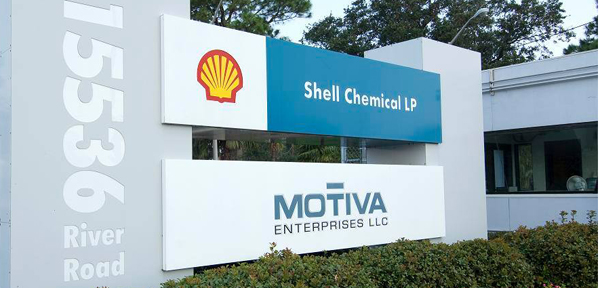
Louisiana members OK deal, returning to work
By Wednesday, more than 500 strikers put down their signs and will start going back to work on Monday at the Norco Manufacturing Complex, ending the first nationwide oil refinery strike in more than 30 years.
“It feels like someone lifted 500 pounds off my shoulders,” said Brent Petit, local United Steelworkers 750 president, of local union members in Norco and Convent having voted this week to accept the nationally negotiated agreement with Shell. The approval set in motion the phased-in return of more than 800 employees back to work at Norco and Convent Shell-Motiva manufacturing sites.
Norco Complex spokeswoman Rochelle Touchard said a four-year labor agreement was reached at the national bargaining table last week with the United Steelworkers (USW), the labor union that represents many of the complex’s hourly employees.
“With the local agreement now in place, we will use a systematic and methodical approach to bring employees back to work,” Touchard said. “The company has already begun reaching out to represented employees to begin the process.”
All Norco employees were expected to be back to work by March 31.
“No one wins in a strike,” Petit said during the union meeting that set the local votes in play. “These guys made some allowances from the industry that will allow some checks and balances in staffing levels, ways to have input in staffing levels and having some accountability on maintaining adequate staffing levels. It was a big gain.”Petit said they accomplished their main goals of addressing fatigue and staffing to safe levels.
“We didn’t get everything we wanted, but I think in the long run we got some good middle ground and what was important to us,” he said.
Moving forward, Petit said union members will focus on repairing their relationship with Shell-Motiva and in the union itself. In the past two weeks, an estimated 25 workers crossed the line in Norco of its 548 union workers and another 30 of Convent’s 200 members went back to work, which Petit called a betrayal of “union brothers.”
From onset of the strike that began nationally on Feb. 1, USW, which represents 850,000 workers in North America, maintained the walkout was about inadequate staffing, worker fatigue and safety issues, which the industry maintained it was addressing. Louisiana workers joined the picket line by Feb. 21.
In March 12 statements from Shell and USW, both parties confirmed the agreement would set new industry standards, ending the six-week strike over labor practices at 15 refineries and associated installations.
USW International President Leo Gerard said safety issues were central to the negotiations, which call for the immediate review of staffing and workload assessments with USW safety personnel involved at every facility. Daily maintenance and repair work in the plants was another critical issue.
“The tentative agreement calls for yearly wage increases, as well as maintaining the current health care plan cost-sharing ratio,” according to the USW.
USW International Vice President Gary Beevers, who oversees the union’s oil sector, said, “preserving ‘retrogression’ clauses in our agreements was also an objective established by our policy conference and we accomplished that, too. There was no way we could turn our backs to the accomplishments of prior contract negotiations.”
Beevers said the next step in the bargaining process is for the company to put the terms of the settlement agreement on all of the Shell-Motiva bargaining tables.
By Monday, Petit confirmed the local unions were reviewing the proposal with Beevers. Once approved, the settlement agreements were submitted to local membership for explanation and ratification votes.
According to media reports, the terms of the deal include: Wages – Shell has proposed an annual wage increases of 2.5 percent to 3.5 percent during the 4-year period effective April 1 in 2015 and on Feb. 1 in 2016-19.
Healthcare – Shell has offered to renew its current contributions toward premiums for the Shell medical plan, based on an employer-employee contribution rate of 80 percent – 20 percent.
Maintenance contractors – Both parties will jointly review on a local level the future need, supply and development of craft workers.
Fatigue management – Both parties will immediately review staffing and workload assessments, with USW safety personnel involved at every plant, as well as to meet semiannually to review site practices related to fatigue.
No retrogression – Both parties will preserve contract language that would require Shell to renew previous agreements reached with USW members in prior negotiations on layoff notices, plant closures, rate retention, health and safety, successorship and job security.


Be the first to comment