
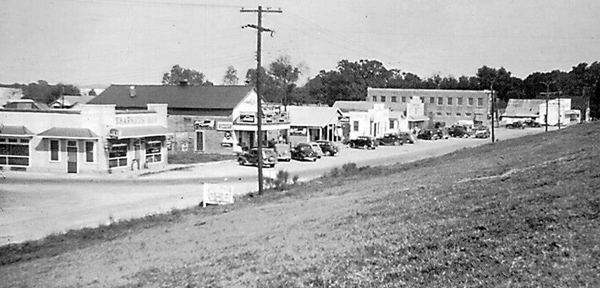
It was 1916 when the New Orleans Refining Co. bought 366 acres of rice, indigo and sugar cane fields from the Good Hope Plantation that gave rise to a community that became known as Norco.
The name, actually the acronym for the company that owned the area, represents a symbiotic relationship that significantly grew and expanded over the 100 years of industrial history that is recognized this year.
The Norco community’s origins evolved from an agrarian society to industrial with New Orleans Refining’s arrival. Within a year, the company was operating an oil terminal there that would become the catalyst toward making it a hub for importing and shipping oil products.
By 1929, Shell bought NORCO and the industry-community relationship further deepened, expanding into a significant co-existence with the petrochemical industry.
Norco is literally woven into its industries, a distinction readily visible by the network of silver and white plant pipelines coursing through the community.
“We built around Shell Motiva,” Sal Digirolamo, president of the Norco Civic Association and longtime community resident. “We got a lot of industry … got many big companies. We learned to live with that. We know the good they do and they do treat their community right – most of them.”
Representing the industry’s giants, Shell has significantly expanded there with its Motiva complex that is will soon solely own as it divests from Saudi Aramco. More recent arrivals include Valero St. Charles Refinery, Enterprise Products Operating, and Diamond Green Diesel.
A resident of Norco 85 years, Digirolamo fondly remembers life in the community as a son, father and Shell employee.
“When I was young, they had Shell Oil – that was the only company here,” he said. “They had an employees’ club and all the employees would belong to the club and they had things like a clubhouse, bowling alley, picture show and swimming pools.”
Digirolamo’s father worked there. He followed in his father’s footsteps and also worked at Shell for 40 years. He was a union man and “sat across the table from them many a time and I can truthfully say how easy it was to negotiate with them.” Company and worker remained together into retirement.
“They really take care of their retirees,” he said. This attests to many older citizens in the community.
Norco derived 85 percent of its taxes from industry, Digirolamo said. Industry has been supportive of the schools and community.
“We are a start of an industrial community and we realize what they do for the community and parish,” he said. “We just try to work together and it’s been a very good relationship as far as I’m concerned.”
He remembered the “plant days” when Shell held celebrations for their employees, but they ended when others resented not having them, too. It’s why the No. 1 goal of the Norco Civic Association, founded about 20 years ago, became not wanting to do anything that took from anybody else.
Digirolamo praises the relationship the community has had with its industries.
“We ask and we got it,” he said. “That’s what good neighbors are all about.”
Be the first to comment